All that is a lot to unpack, but ever since I saw University of Santa Clara use one of these batteries, I have been interested: Yes, ALL your points are both well taken and accurate. The DRC is a disaster in many ways:
The industry trend is to minimize the use of cobalt as much as possible. While the early generation of lithium ion batteries had high cobalt content, the most cutting edge ones -- eg, NCM/A-9 -- has already reduced the cobalt content by 50%-80%. SK On who supplies such batteries with high energy/nicke and low cobalt to Ford (F-150), Hyundai/Kia (Ioniq5/6, EV6/9). They also announced zero-cobalt NCM9+ -- meaning less than 1% in cobalt content.
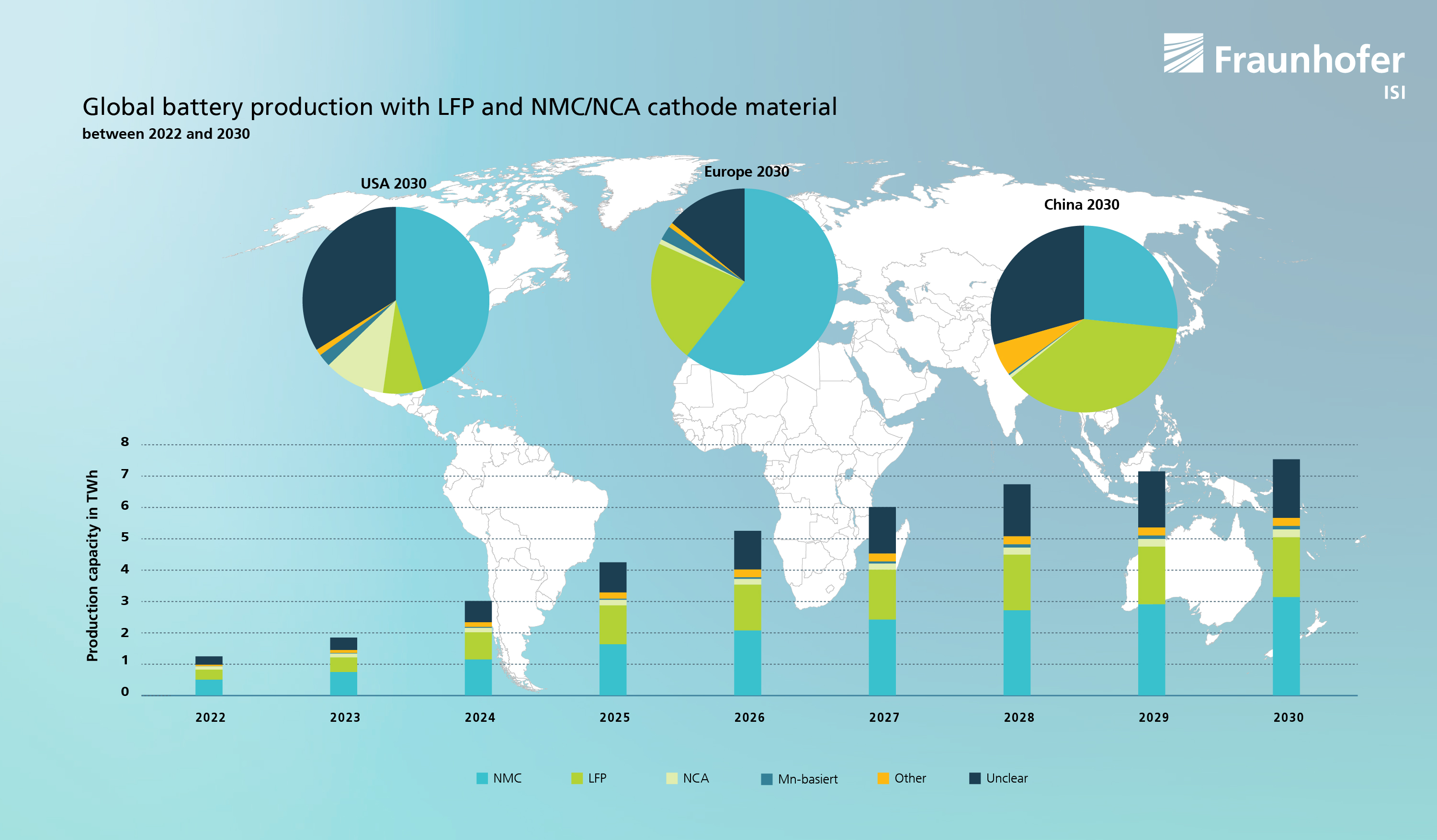
> Lithium Iron Phosphate (LFP) has been ramping for a decade, with "no cobalt" as a selling point.
"No cobalt", plus safety, plus longevity (2,000 .. 3,000) cycles. BYD is claiming purchasers can expect 25 years battery life in the LFP cars. We will see I guess, but the math works out. In Australia we typically drive under 15,000 km a year. Assume the car has a 60 kWh battery, and that gets you 300 km. 2,000 [cycles / battery] * 300 [km / cycle] / 15,000 [km / year ] = 40 [years / battery]. So, no battery replacements for the life of a typical car. The USA drives their cars 25,000 km in a year, which works out at a typical 24 year lifetime for them.
The only reason I can see for the slow uptake of LFP in the USA is it was invented there, and the USA respects the patent. It's just recently expired. If that's true reason it's a fine example of patents holding back the economic development of a country.


https://www.cecc.gov/events/hearings/from-cobalt-to-cars-how...